

Daytime IOP
Build a consistent routine with daytime IOP. Groups run Monday–Friday, from 11 a.m.–2 p.m., creating dedicated time to focus on treatment and strengthen recovery skills.

STRUCTURED SUPPORT, CREATIVE CARE
We offer intensive outpatient treatment for addiction and mental health concerns, helping you manage triggers and build coping skills through CBT, DBT, expressive therapies, and relapse prevention.

SUPPORT FOR YOUR NEXT STEP
An intensive outpatient program, or IOP, provides structured treatment through regularly scheduled sessions without an overnight stay at the treatment center. It offers time to focus on recovery while practicing new skills in daily life. At Lifeline Rehabilitation Center, addiction treatment combines clinical approaches with creative expression.
Lifeline’s clinicians help you explore patterns connected to substance use, recognize triggers, and practice healthier ways to respond to everyday challenges. You do not need to have every answer before reaching out. Our team can talk with you about the program and help you understand your next steps.
MAKE ROOM FOR RECOVERY
Build a consistent routine with daytime IOP. Groups run Monday–Friday, from 11 a.m.–2 p.m., creating dedicated time to focus on treatment and strengthen recovery skills.
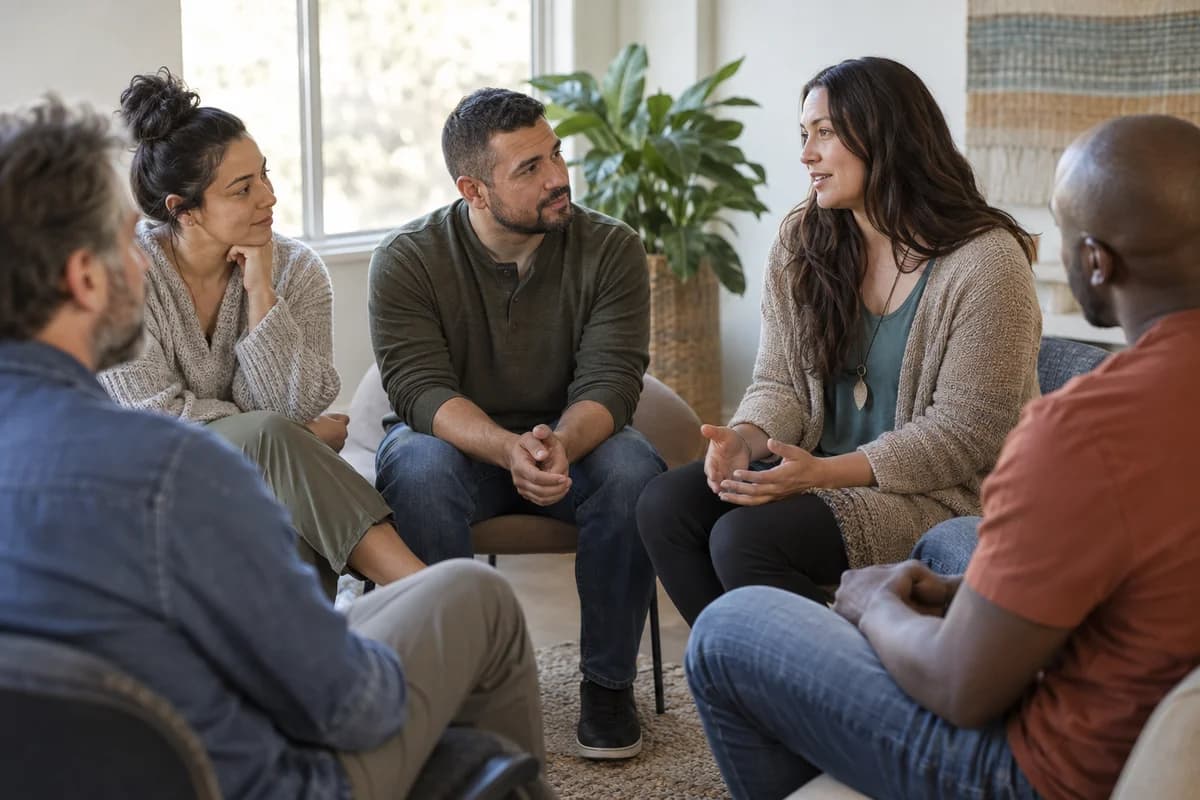
Build a consistent routine with daytime IOP. Groups run Monday–Friday, from 11 a.m.–2 p.m., creating dedicated time to focus on treatment and strengthen recovery skills.

Make time for recovery beyond the daytime hours with evening IOP. Groups generally run from 5–8 p.m., offering another scheduling option for people balancing treatment with work, family, and daily responsibilities.

Stay connected to treatment from home through virtual IOP. This option offers a way to participate remotely, making space for structured support and recovery while staying connected to your daily life.
CLINICAL CARE, CREATIVE EXPRESSION

CBT helps identify unhelpful thoughts and patterns that contribute to negative emotions and behaviors. By practicing new ways of thinking, individuals learn healthier strategies for lasting change.

DBT combines cognitive-behavioral techniques with mindfulness and acceptance strategies. It teaches skills to regulate emotions, improve relationships, and balance acceptance.

Creative outlets such as art, writing, and movement provide safe ways to explore emotions. These practices open new paths to healing, especially for those who find verbal expression difficult.

Psychodrama uses guided role-playing to explore experiences, emotions, and relationships from new perspectives.

Art therapy offers a creative way to explore and express emotions through painting and mixed media. It can help you reflect on experiences that may be difficult to put into words.
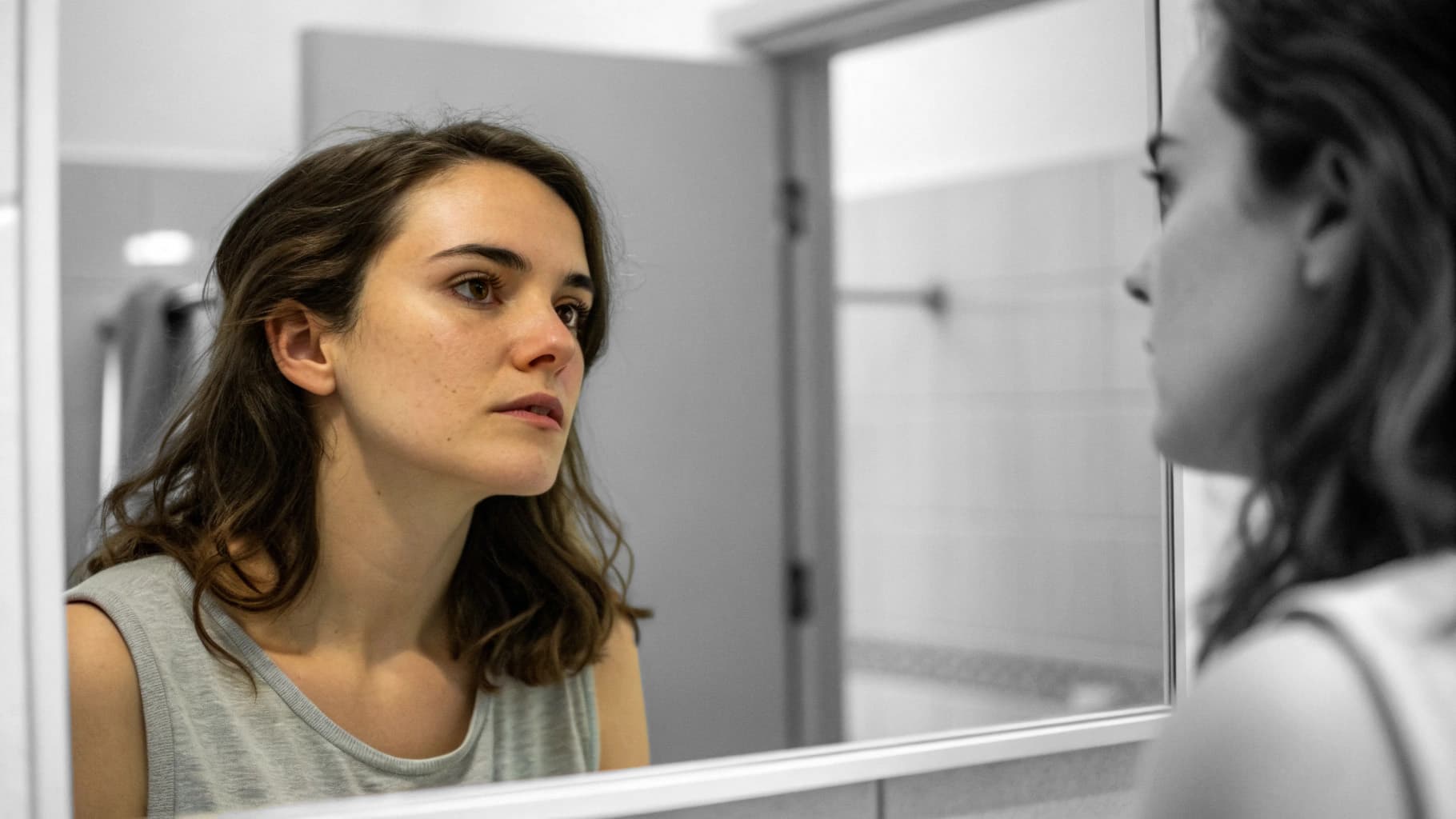
Our relapse prevention framework helps individuals recognize triggers and build strategies to stay grounded in recovery. With practical tools and ongoing support, people strengthen resilience against setbacks.
FINDING THE RIGHT SUPPORT
IOP supports adults seeking structured care for addiction, mental health concerns, or both, without an overnight stay at the treatment center. You can enter the program directly or step down from residential treatment to continue building skills and applying them in daily life. At Lifeline Rehabilitation Center, IOP combines CBT, DBT, expressive therapies, and relapse prevention.
Participation requires attendance at least three days per week, so your treatment needs, schedule, and support outside sessions all matter when considering the program. Our team can discuss your circumstances, explain attendance requirements and scheduling options, and help you determine whether IOP is the right next step.
SUPPORT BEYOND TREATMENT
Your living environment is an important part of planning for recovery. Lifeline Rehabilitation Center has relationships with sober living homes to help coordinate supportive housing options for people who need them.
Participants in supportive housing attend daytime IOP five days per week for the first 60 days, then three days per week afterward. Housing is provided through these outside homes, separately from our outpatient treatment program. Contact our team to discuss current options, availability, costs, and arrangements.
Real Stories of Recovery

TAKE THE FIRST STEP
You don’t have to figure it all out on your own. Connect with our team to discuss IOP, find a schedule that works for you, and understand your insurance coverage.


















IOP FAQs